There’s so much advice out there on how to breathe to facilitate calm- box breathing, star breathing, one nostril or two, 4-7-8, do I sit or lie, hold or let it flow, that you could be left feeling pretty perplexed about whether there’s a right or wrong way to breathe. Fundamentally, when you are trying to facilitate calm using breathing, there are a few things to bear in mind and these are listed below….but the main thing is to tap into your own natural soothing rhythm of breathing…
1. When we are in our stress systems (fight or flight) our breathing quickens and breaths become more shallow. This system in the body is called the sympathetic nervous system, and is activated as an automatic reaction to danger and is online during physical activity. The body is trying to inhale more oxygen hence breathing quickens, the heart is beating faster to pump the oxygen around the body to reach the limbs and muscles tense to prepare the body to run or fight. Even though every day stressors in the modern world are unlikely to pose the need for this reaction, the primitive part of the brain, which is responsible for our survival, is still wired this way. Our newer thinking part of the brain can inadvertently trigger this fight or flight response, for example being put on the spot in a meeting, or thinking about an anticipated future event, because the two, new and old brains, are so closely interlinked. This can become cyclical with the new brain noticing the body’s fight or flight response and potentially worrying about what’s happening, further fuelling the stress response. This is what happens in panic, or anxiety about anxiety. So understanding how our tricky brains work is a crucial first step to managing our stress response and interrupting the vicious, but understandable cycle that occurs. It is not our fault that our brains are wired this way- and we’re all the same.
An important note about the stress system, is the hormone cortisol, that is naturally produced to fuel the fight or flight response. When we live under long term chronic stress, our bodies are producing cortisol all the time and the fight or flight becomes our default habitual, state of being. So as opposed to symptoms of acute anxiety like shortness of breath, palpitations, chest tightness, and nausea which might be more noticeable, chronic stress tends to present in the body and mind in other ways such as chronic pain, headaches, poor sleep, eating problems, depersonalisation (feeling like you’re not in your own body) derealisation (feeling as though the world around you is unreal) hyperarousal and increased startle response, low energy, irritability and depression. Chronic stress is linked to increased physical health problems including diabetes, cardiovascular illness, high blood pressure and risk of stroke. Breathing therefore, is just one important dimension of creating a healthy lifestyle which might be overlooked.
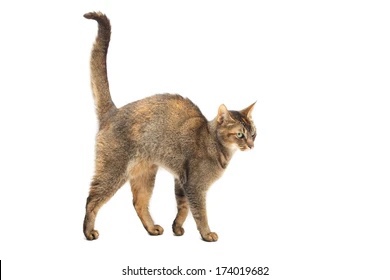
2. The parasympathetic nervous system on the other hand is involved in the quiet rest and digest conditions and it’s function is to conserve energy to be used later. After the danger has gone, this network of nerves in the body slows and calms the body down, so our heart rate slows down, breathing becomes more even, and muscles relax. Aaaaahhhh…..
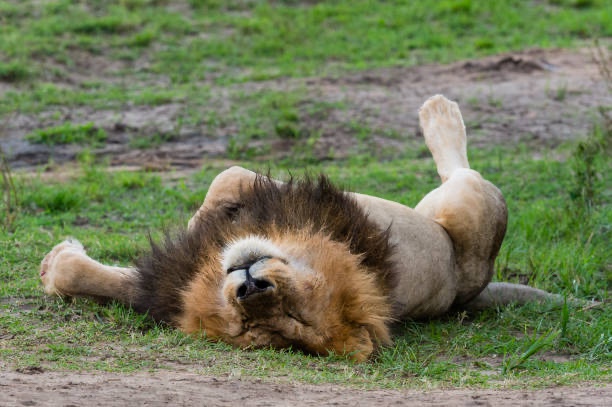
Oxytocin is the hormone that is produced within the parasympathetic nervous system that makes the body feel warm and calm. Breathing in a slow and soothing way taps into this system and facilitates this process enabling us to access our optimal arousal zone. When we are in this zone we can feel our emotions safely without shutting them off and without feeling overwhelmed. This is always the goal. It is unrealistic to try to control our emotions or eliminate them. Breathing enables us to tolerate strong feelings like anxiety. The goal is also not to relaaaxxx to the point of sleepiness or some kind of zen. Instead, we’re aiming to find the sweet spot of alertness but not hyperaroused, strength without fighting, calmness but not zoned out, so we’re aiming for grounded, centred, calm, and strong. We might naturally be like this when we feel safe and not threatened. For those with trauma or chronic stress, breathing might be best practiced alongside grounding techniques that help you feel anchored safely to the here and now (Future post about grounding in the pipeline!) and resource strengthening practices such as compassionate mind resources to grow these qualities.
3. The two systems (sympathetic and parasympathetic) cannot be online at the same time, as the body cannot be both calm and stressed. This means that we can harness the parasympathetic nervous system to calm down and switch off our stress response. There a few ways that we can do this, and one of the most powerful methods is to slow and deepen our breaths. When we slow our breathing, the brain will identify the change and no longer signal danger. When we slow our breathing, our heart rate will slow down and muscles will unclench. Muscular relaxation is another way to signal to the brain that we are safe. Importantly this must come first, from an acknowledgment of what is happening in our body, and the desire to help ourselves in the moment. So perhaps saying to ourselves, “It’s okay, it’s my fight or flight response, it’s not a heart attack and there’s nothing wrong with me. It’s anxiety and it’s normal”.
4. Learning to tap into our parasympathetic nervous system using soothing breathing rhythm is best done when we’re already calm. If you only try to instigate soothing breathing rhythm when you’re stressed or panicking it’s going to be much harder. It’s like learning to swim- you wouldn’t jump in at the deep end if you hadn’t first practiced the basics as you’d be likely to sink. So it’s best to identify a time in the day when you can practice breathing when there’s little else going on. Some people like to try it as they’re going to bed or with their morning coffee. You can prompt yourself any time of the day to just notice your breathing, asking yourself is it shallow and short, is my stomach tight, then soften it and just take a few deep breaths as you acknowledge this. This is a great way to habitually check in with your breath and prompt yourself to shift into your parasympathetic system. The more time we spend in this mode as opposed to our sympathetic nervous system, the better. The health risks associated with stress are well documented. On the flip side research shows that people who practice soothing rhythm breathing daily even for just a few weeks can alter their heart rate variability which is linked to greater cardiovascular health as well as improved mental health.
5. Start noticing when you are calm for example in front of the television or reading. Place a hand on your stomach and notice how your stomach rises and fills up like a balloon as you inhale and your hand moves back down as you exhale. When you are calm your breathing is slower and regular. This is what you’re aiming for when you do the soothing breathing rhythm exercise- this is your own calm rhythm. With children we suggest they place a soft toy on their belly so they can see it moving up … and down slowly as they breathe. If you practice in the bath you’ll notice your diaphragm expanding as you breathe in and your belly will pop above the water, then disappear as you breathe out. This is belly breathing and it’s important because it shows that we are using our full lung capacity on the inhale, nice and deep.
6. So you’re ready to inhale and exhale evenly. It doesn’t really matter how many counts in and out so long as they’re equal. So try in for three … out for three…but do four if that feels better. Our soothing breathing rhythm is generally slower and deeper than our stressed breathing. In through the nose and out through the mouth… or just use the nose if you prefer. So long as you feel comfortable that’s the main thing. Follow the air as it enters the nostrils down the wind pipe and into your lungs, the diaphragm lifting as you inhale. Notice the change in the temperature of the air as you exhale. You could do a little sigh as you exhale and release any tension. Try to stay with following the breath and if it helps in your mind simply say “just breathing….”. This helps you to focus on the present. You could also say in your mind “slowing down”. If you can only do this for 30 seconds or a minute that’s fine! That’s a start. Even just a couple of deep breaths can make all the difference in the moment, to focus, to calm yourself, to prepare to walk into a room, to sing. Just breathe folks! I promise you that if you stick with it, this will be beneficial and it’s always available to you when you need it.
 Sea change