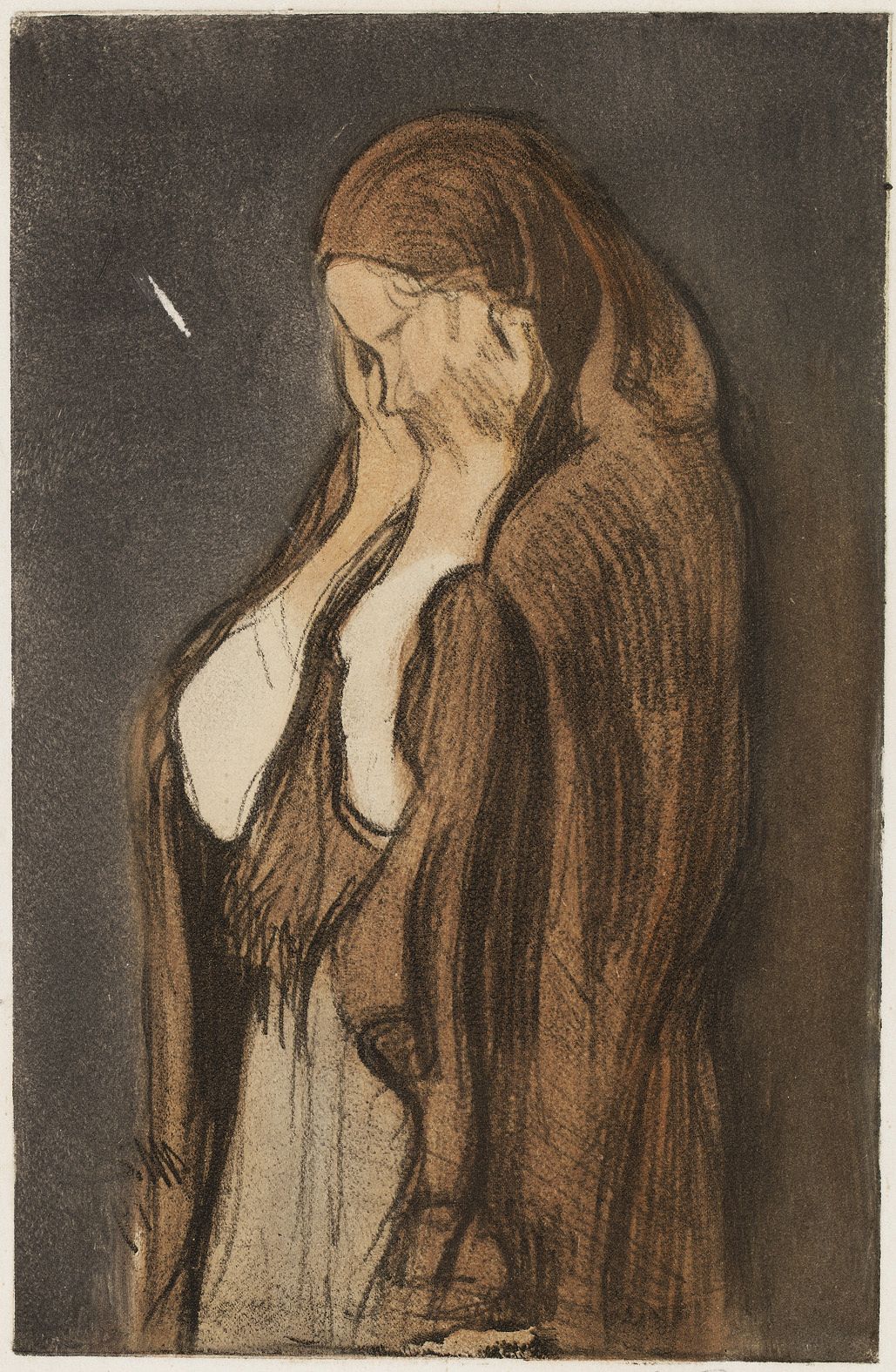
For me there was a clear difference between my usual monthly tears and the tears that started to come in my 40s. Tearfulness before my period started as a young teen but it wasn’t until I was in my 20s that I realised there was a monthly premenstrual pattern to it. I’d generally feel very overwhelmed and it would last only a couple of days and then pass. I am quite a sensitive, emotional person though and it is normal for me to cry when something upsets me, when I get angry or when I’m generally feeling sad. Over the years I’ve definitely learned to become more attuned to my sad self and more accepting of her. I think I used to feel quite ashamed of that part of me, certainly embarrassed and I always wished I could express anger without getting upset. Anyhoo, the tears that came in my 40s felt so different, so out of context, random and out of control! To be honest it was a nightmare! I was camping with family one time and we were having a lovely evening round the fire and I think I cried three or four times in the space of two hours. No wine was involved. Okay maybe a little bit of wine was involved. My reaction to this was not initially compassionate! My thoughts were, “What the??” “Seriously Get. A. Grip!” “People are looking at you!” “Get it together!” Then afterwards “Goodness what’s wrong with me? Am I depressed!” This didn’t just happen once or twice.
I didn’t initially link this with the few other things that, looking back, I’m sure were signs of Perimenopause. Feeling down, apathetic, sad, emotional, tearful, irritable, and many more adjectives linked to emotional health, are often a common experience during Perimenopause. You might, like me, observe a notable difference to your emotions, more lability to your moods generally, highs and lows or an exaggeration of how you’ve felt before; it’s different for everyone, but many women describe some distinct change to their mood and emotional health. Now. If you follow me you’ll know I’m all about the feels. I love a good cry. It’s healthy! Did you know that when you cry it acts as a stress relief? Crying releases oxytocin and endorphins. These hormones help us release stress and emotional pain and calm us down. Crying to the extent that I was however definitely felt qualitatively different to my norm. We all have different normals. I recently started HRT and this is the recommended treatment for women struggling with low mood during the Perimenopause. Often women are given antidepressants and this needs to change and hopefully is changing. Low mood during Perimenopause is NOT the same as depression and therefore should not be treated with antidepressants. Obviously women during the Perimenopause can experience depression and this is different. I’d urge anyone who is concerned about their mood and has noticed a change to their normal, to consult their GP but also to read to up on Perimenopause if they are late 30s and older. I’ll keep you posted on the HRT! I’m only three weeks in.
For me the tearfulness has abated, only to be replaced by other symptoms. It’s common to go through cycles or phases and there’s no clear path through the Perimenopause because oestrogen levels are always fluctuating. The hormones are the issue you see. Although actual measured oestrogen does not correlate precisely to mood, oestrogen is involved in regulating mood and appears to have a protective function. We have oestrogen receptors all over the body including the brain areas like the amygdala in the limbic system, which is linked to emotions. Oestrogen is involved in regulating serotonin, dopamine, epinephrine and norepinephrine all linked to mood. Some women might be more sensitive to fluctuations in hormone levels making them more susceptible to mood changes.
It is also important to note that trauma at any stage in life can lead to generally higher levels of cortisol, the stress hormone, and this can cause further complications at any stage during a woman’s life, especially during times of stress or change, so this can be re-triggered during the Perimenopause.
In addition to all this, Perimenopause often happens at a time in life when women are dealing with teenage children or children leaving home, ageing parents, relationship issues and work responsibilities and stresses. This whole combo provides the perfect storm leading to poor sleep, confidence issues, feelings of hopelessness, and low mood. These factors all link in with each other so for example poor sleep is correlated with low mood.
So what do we do? You’ve spotted it and you’re saying yep that’s me.
1. If you’re not already seek help. Reach out to the community of women online or in your local community. You are not alone. There are things that can and do help. See your GP – and if possible see your local GP who specialises in Women’s health. If you feel fobbed off or not understood don’t give up and see a different GP.
2. One of the best things you can do is be honest about it with others. I actually talked to my kids in the car impulsively one day about it and explained to them that they didn’t need to worry about me crying all the time . I explained that I was feeling like my emotions were really raw and just under the surface and getting triggered more easily because of my hormones. They were surprisingly great about this, asked a few questions and accepted it. They, my husband and others now know to just give me a hug and not ask questions or offer advice and that I’ll be okay. It’s up to me to say if I need more if it’s something different. I worked with a lady who was off work because she was bursting into tears all the time and once we normalised and made sense of this, and she accepted it and developed a plan (which just involved her speaking to her boss and having permission to take a minute off the shop floor) she was able to return to work within two weeks.
3. Try to be compassionate to yourself. If you follow me you’ll know that I’m passionate about sharing this! If you berate yourself for how you are feeling you will perpetuate your pain not resolve it. If you meet your pain (low mood in this context) with self compassion you will soothe and calm the emotion. Give yourself what you need. This might mean time off, time out, alone or with others, it might mean a night out or a treat to lift your mood. A bunch of flowers, a walk on the beach, some time with supportive others. Ploughing on, ignoring your emotions or beating yourself up is likely to prolong the pain. If you can start to recognise a pattern (let me know if you can because I can’t!) then make sure you go easy on yourself at those times. It’s okay to say no, to turn down an invite or cancel. You need to start prioritising yourself because these times are rocky.
4. Now this one isn’t for all but I find it really helpful and it’s based on science although the title might not suggest so. When you feel sad or stressed you can switch on the parasympathetic nervous system by gently stroking your arms with your arms crossed across your chest. This is known as the butterfly hug technique. Cross your arms and close your eyes if you like. With your finger tips at your shoulders slowly stroke down towards your elbows. Then repeat slowly and slow your breathing too. This is very soothing and facilitates the release of oxytocin, the hormone that makes us feel calm and safe.
5. As we have said everything interacts and influences one another. So once you’ve seen your GP and considered whether HRT or other might suit, or you’ve decided to take a natural route or you’ve accepted that your hormones are mucking about with your mood and you’re prepared to ride it out, there are many lifestyle changes that can help, each in their own way. For example establishing a healthy sleep routine, injecting loads of colour and nutrients into your diet, re finding joy in your life (see my other posts for more), exercising in some form and setting boundaries can help. No one thing is right for everyone and we all will benefit from re-establishing what works for us. What worked when we were younger might not work now. We might have to make some changes but this can be an exciting time of transformation and trying new things.
6. As a final note, I know that when I’m low I’m wearing my blue glasses and this might be true for you too. This means that I have a cognitive bias at these times to see everything in a negative, all or nothing way. When we’re wearing our blue glasses we tend to jump to conclusions more and take things more personally for example, “They don’t care”, “They left me out”, “I’m useless”. So even though it’s hard, it’s good to start to notice when you’re doing this so that you can keep it in check because such thoughts will dictate our behaviour. We might end up distancing ourselves or feeling bad about ourselves which can feed back into our low mood. Responding compassionately is the best way, because responding with glib positive statements like, “Cheer up and look on the bright side” will only leave us feeling invalidated. Instead, try saying to yourself something like, “It’s ok to feel sad / misunderstood/ lonely. We all feel that from time to time. I’m going through a lot right now, and my hormones are all over the place. I’ll keep moving forward, I’ll maybe go for a walk or sleep on it and then I might see this differently.”
 Sea change